(+0086)18913092838
What is Olefin Outdoor Fabric?
Olefin outdoor fabric, a prominent manmade fiber, is primarily composed of polypropylene, which is a type of thermoplastic polymer. Sometimes referred to as polyethylene, olefin exhibits several advantageous characteristics that make it particularly suitable for outdoor applications. The chemical structure of olefin comprises long molecular chains that contribute to its durability and resistance to environmental factors, such as moisture and UV rays. This remarkable resilience is one of the key reasons why olefin is favored in various outdoor settings.
The production process of olefin fabric is analogous to that of polyester and nylon. It begins with the polymerization of polypropylene, which is then extruded through a spinneret head. This process generates long, continuous fibers that can be woven or knitted to create a variety of fabric types. The versatility in texture and weight allows for a wide range of applications, from outdoor furniture upholstery to awnings and marine covers. The manufacturing efficiency of olefin also contributes to its growing popularity, as it offers a sustainable option by utilizing less energy compared to other synthetic fabrics.
Besides its manufacturing benefits, olefin outdoor fabric exhibits a range of properties that enhance its functionality. It is known for being lightweight, quick-drying, and resistant to mildew and stains, making it an ideal choice for outdoor use, where exposure to the elements is a significant consideration. Furthermore, the dyeing process associated with olefin offers vibrant color options that retain their brilliance over time, ensuring that the fabric remains aesthetically appealing even with prolonged exposure to sunlight. The combination of these traits positions olefin outdoor fabric as a practical and stylish choice for various outdoor applications.
Applications of Olefin Outdoor Fabric
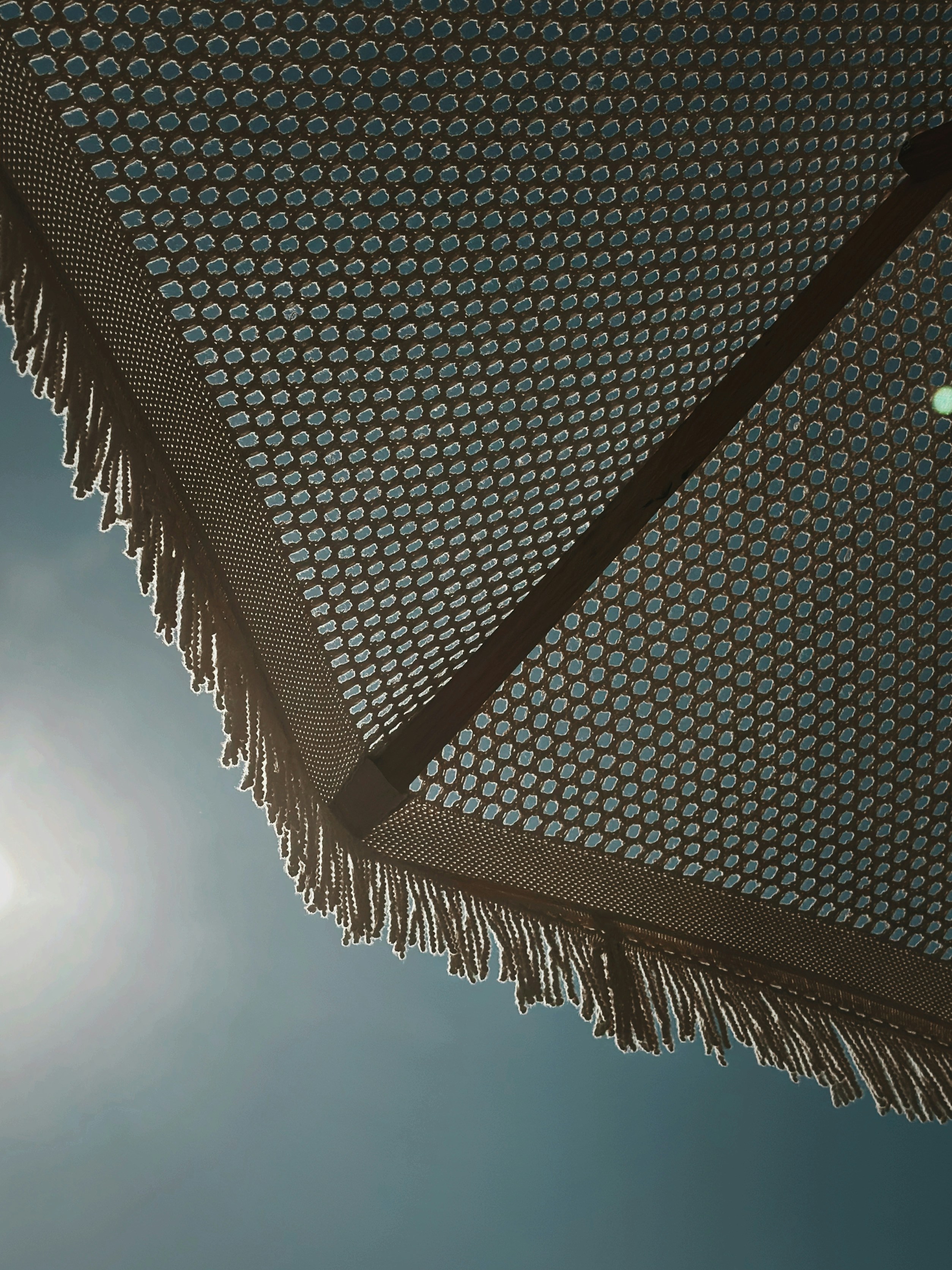
Olefin outdoor fabric is celebrated for its versatile applications, making it a preferred choice across various industries. One of the most prominent uses of olefin is in outdoor furniture. This synthetic fiber’s durability allows it to withstand harsh weather conditions, including intense sunlight and heavy rain. Unlike natural fibers, olefin does not fade easily, ensuring that outdoor seating, cushions, and umbrellas maintain their vibrant colors over time. Additionally, its resistance to moisture prevents mold and mildew development, providing an extended lifespan for outdoor furnishings.
Beyond furniture, olefin is extensively used as a house wrap in construction. Its strong, water-resistant properties serve as an effective barrier against moisture infiltration while allowing vapor transmission. This aspect contributes to improved energy efficiency and enhances the longevity of the building structure by preventing potential water damage. Olefin’s lightweight nature also simplifies the installation process, making it a favorable option among builders and contractors.
Olefin outdoor fabric finds further applications in marine coverings. The fabric’s inherent resistance to saltwater, UV rays, and mildew makes it suitable for boat covers and awnings, protecting vessels from harsh marine environments. Its strength ensures that these coverings remain intact even in the face of extreme weather conditions, providing reliability and security for boat owners.
Interestingly, olefin is not limited to outdoor use alone; it also finds a place in the fashion industry. Clothing made from olefin is known for its breathable properties, lightweight feel, and moisture-wicking capabilities. This makes olefin a fantastic fabric choice for activewear and outdoor clothing, further showcasing its versatility.
Overall, olefin outdoor fabric’s durability, moisture resistance, and aesthetic appeal position it as a fabric of choice for a wide array of applications, making it indispensable in both indoor and outdoor settings.
Benefits of Olefin Outdoor Fabric
Olefin outdoor fabric offers numerous benefits, making it an ideal choice for various applications, particularly in outdoor settings. One of the primary advantages of olefin is its remarkable durability. Crafted from a strong manmade fiber, this material can withstand the rigors of outdoor use, allowing it to maintain its structural integrity over time. As a result, products made from olefin tend to last longer, providing consumers with excellent value.
Moreover, olefin outdoor fabric is renowned for its quick-drying capabilities. Unlike traditional fabrics, olefin does not absorb moisture, which significantly reduces drying time. This property is especially beneficial for items subjected to rain or humidity, as it minimizes the chance of mildew and mold development, common issues faced by outdoor textiles. Thus, the need for frequent maintenance is greatly reduced, making olefin an appealing option for those looking to simplify their outdoor living experience.
In addition to its moisture-resistant features, olefin outdoor fabric displays impressive resistance to weathering and chemicals. This manmade fiber can endure prolonged exposure to harsh sunlight, rain, and temperature fluctuations without fading or deteriorating. It is also resistant to stains, allowing for easy cleaning and upkeep. These characteristics further enhance its practicality for outdoor use, ensuring that products remain visually appealing and functional over time.
From an environmental perspective, olefin outdoor fabric is often viewed as an eco-friendly alternative compared to other materials. It is recyclable, contributing to reduced waste and promoting sustainability within the textiles industry. By choosing olefin, consumers can enjoy not only the functional benefits of a durable and low-maintenance fabric but also the potential environmental advantages associated with this innovative material.
Care and Maintenance Tips for Olefin Outdoor Fabric
Olefin outdoor fabric is celebrated for its durability and resistance to fading, but proper care and maintenance are essential to ensure its longevity. To keep your olefin items looking fresh and vibrant, it is important to adopt a routine cleaning method. One of the most effective ways to clean olefin fabric is to use mild detergent mixed with water. A solution of equal parts water and white vinegar can also be beneficial, as it helps eliminate mildew and works as a natural deodorizer. It is advisable to test any cleaning solution on a small, inconspicuous area before applying it to the entire piece.
When tackling common stains, immediate attention can make a significant difference. For spills from beverages such as wine or coffee, blot the area promptly with a clean cloth or paper towel, taking care not to rub the stain, as this may worsen the damage. For tougher stains like grease, a paste made from baking soda and water can be applied to absorb the blemish before rinsing it with warm water. Regularly brushing or vacuuming your olefin fabric is also recommended to remove dirt and debris that can accumulate over time.
In terms of storing olefin outdoor items, it is best to keep them indoors during off-seasons to protect them from harsh weather conditions. If indoor storage is not possible, using breathable covers can help shield the fabric from UV rays and moisture. Ensure that the fabric is completely dry before putting it away, as moisture can lead to mold growth. By implementing these simple care and maintenance tips, you can preserve the quality and appearance of your olefin outdoor fabric for years to come, enhancing your outdoor living experience.